Quick comparison
| Povidone-iodine | Chlorhexidine (CHG) | |
|---|---|---|
| Spectrum | Broad (bacteria, viruses, fungi, spores variable) | Broad against bacteria; less against spores |
| Residual activity | Limited | Strong, persistent |
| Common uses | General skin prep, broad antisepsis | Pre-surgical, catheter sites |
| Cautions | Staining; thyroid/iodine sensitivity | Eyes/ears/meninges; some neonates |
Choosing for your product range
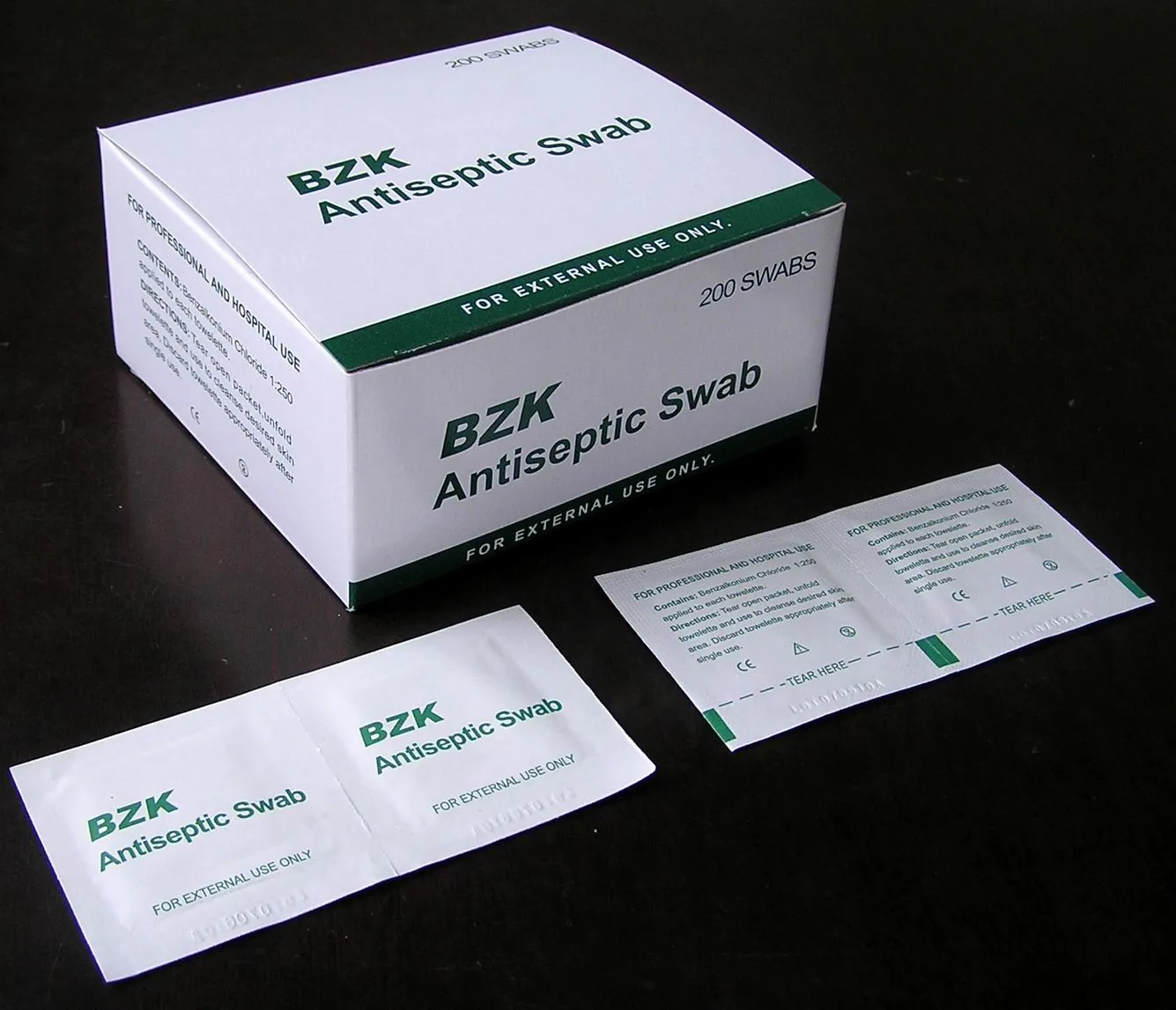
Stock povidone-iodine prep pads and swabsticks for broad-spectrum skin prep, alcohol prep pads for fast routine antisepsis, and alcohol-free BZK options for sensitive applications. Stripmed manufactures povidone-iodine, alcohol and BZK antiseptic consumables; always follow applicable clinical guidelines for antiseptic selection.
Frequently asked questions
Is chlorhexidine better than iodine?
Neither is universally better — chlorhexidine offers stronger persistence while iodine has a broad spectrum; the best choice depends on the procedure and clinical guidance.
Does Stripmed manufacture chlorhexidine products?
Stripmed manufactures povidone-iodine, alcohol and alcohol-free benzalkonium bromide (BZK) antiseptic consumables. Contact us to discuss your antiseptic requirements.
Can povidone-iodine be used before injections?
It is used for skin antisepsis; alcohol prep pads are more common for routine injections because they act fast and dry clean. Follow your protocol.
Related products
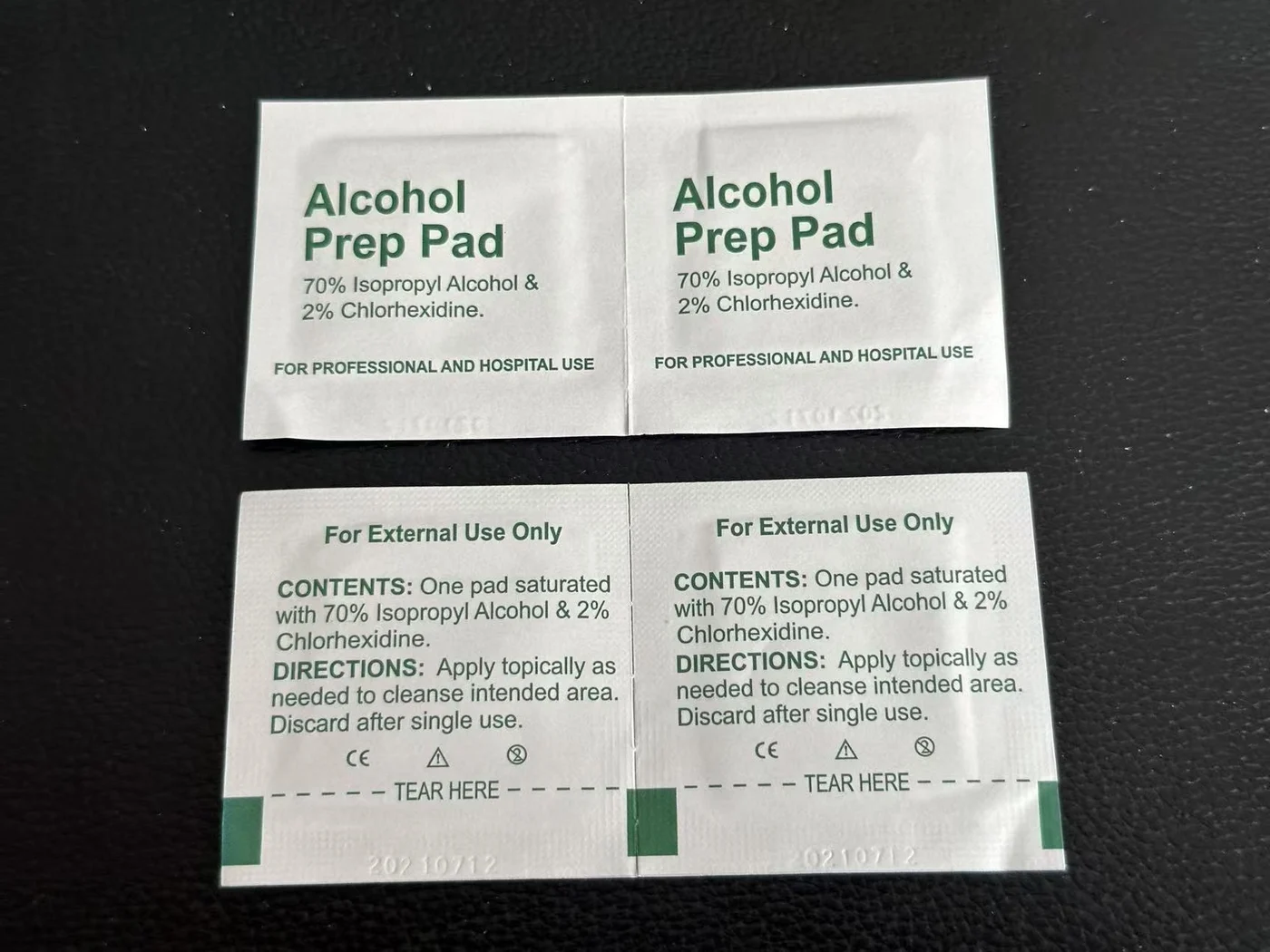
Chlorhexidine Prep Pad (Wipe)
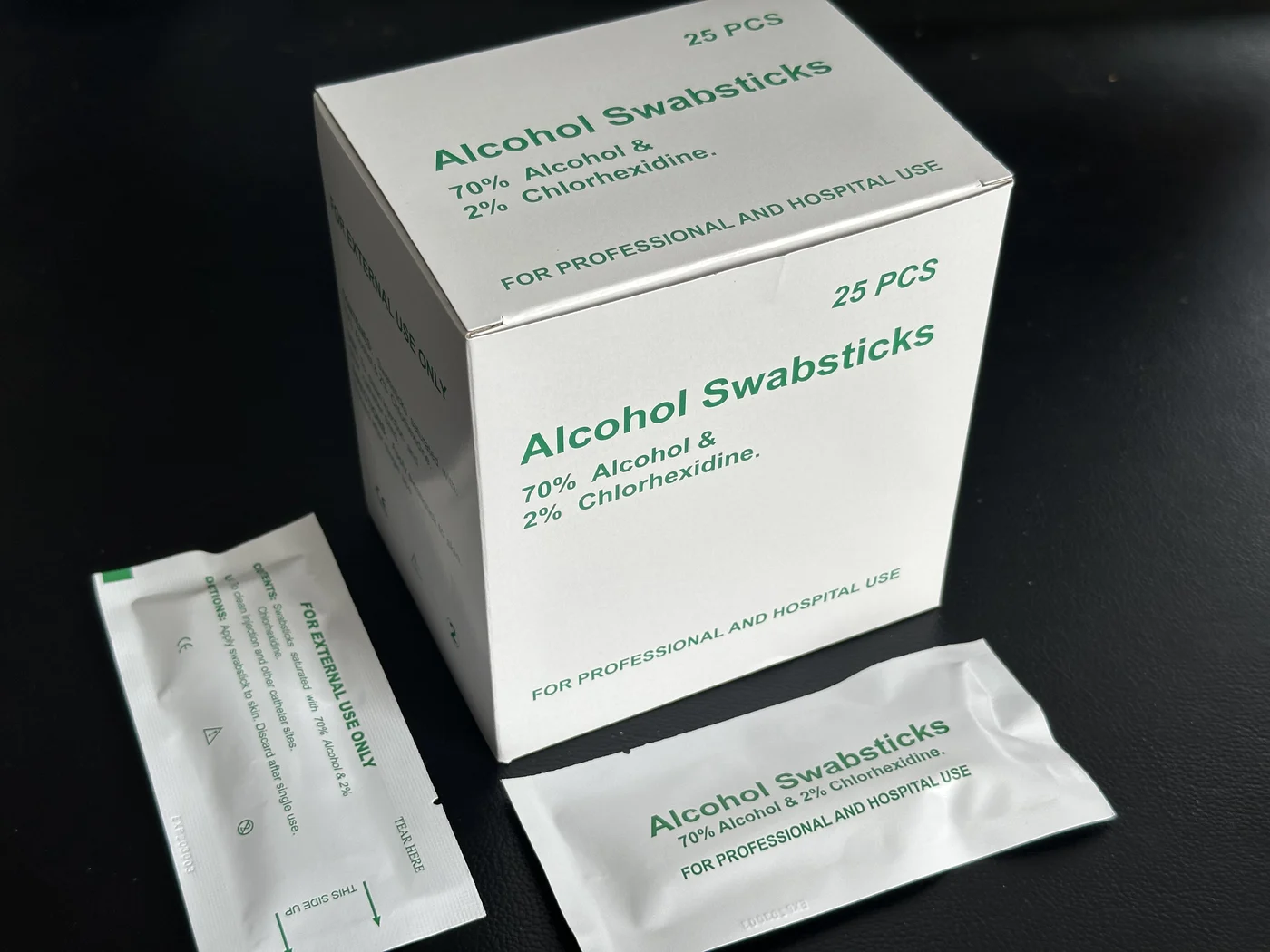
Chlorhexidine Swabsticks
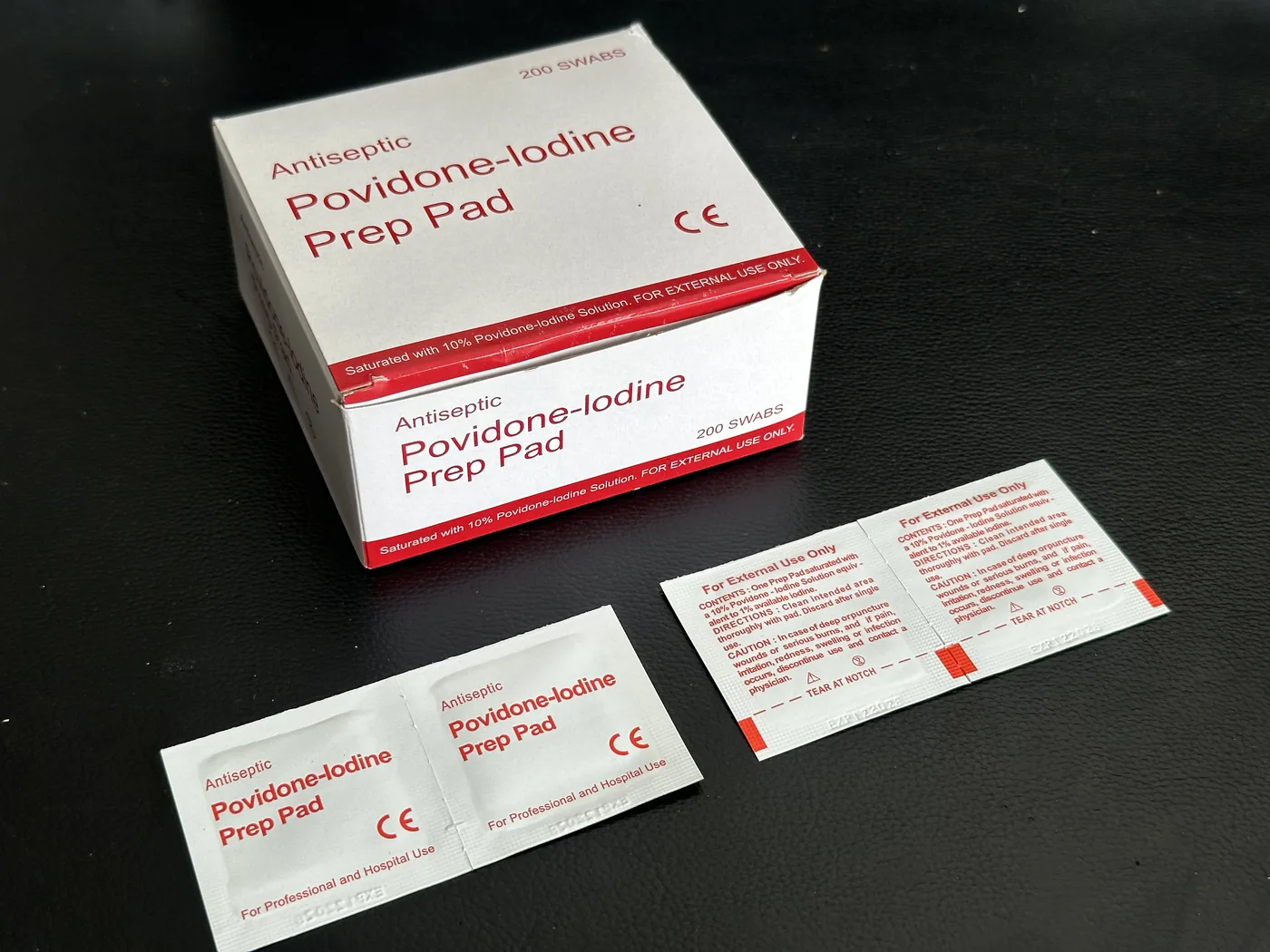
Povidone-Iodine Prep Pads
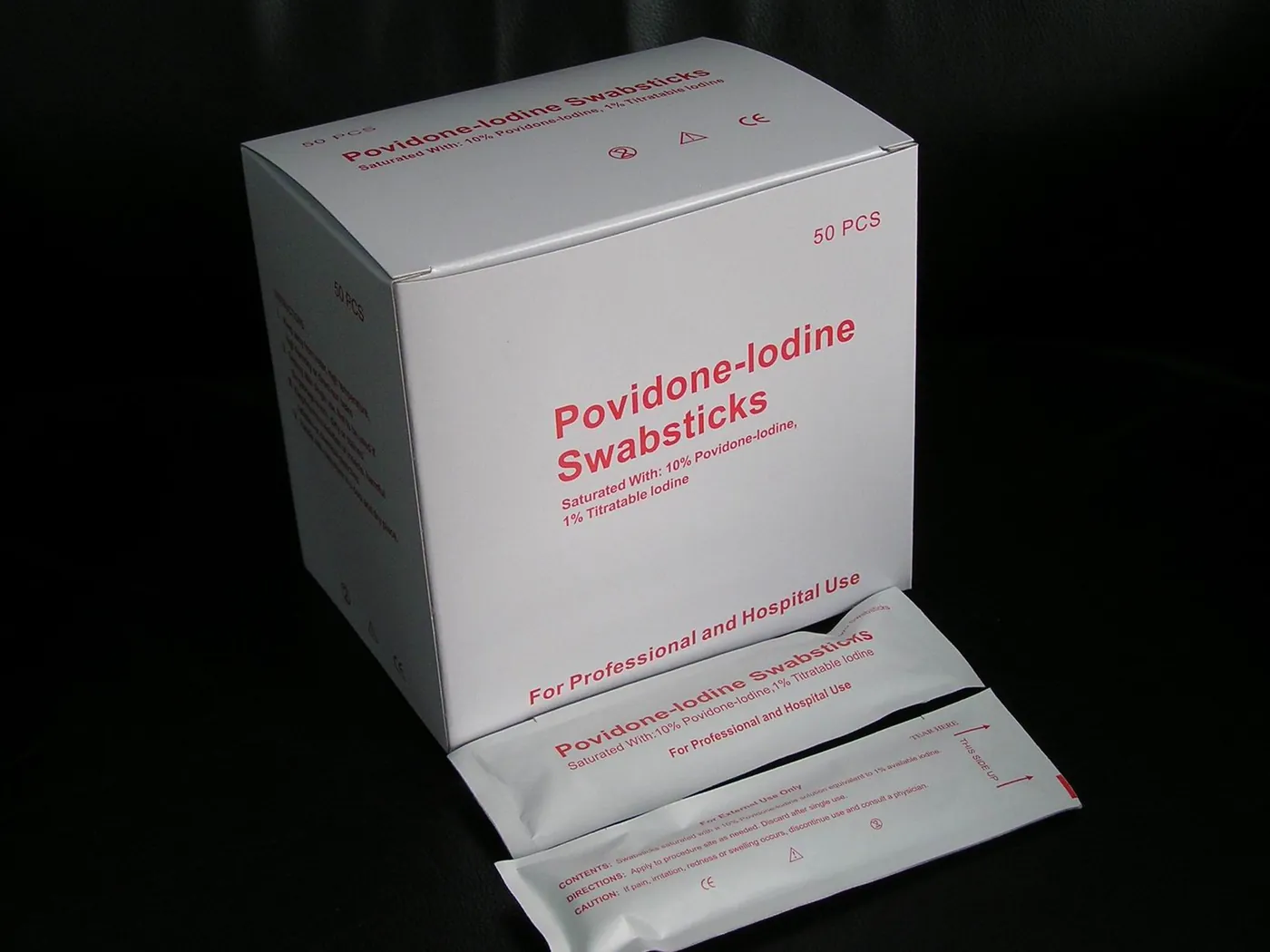
Povidone-Iodine Swabsticks